
https://lumen5.com/user/richa-chotala/10-mistakes-to-avoid-ldfgs/
first property is an exciting milestone, but it is also a major financial decision. A home or property can become one of the biggest investments of your life. Because of this, first-time buyers should not make decisions only because a property looks beautiful, has a good price, or is being promoted as a “limited-time offer.”
Many first-time property buyers focus only on the purchase price and forget about legal checks, additional costs, location, construction quality, loan terms and future resale value.
In this guide, we explain 10 common mistakes to avoid when buying a property for the first time. These tips can help buyers make a more informed decision and reduce the risk of expensive surprises.

Quick Summary
Before buying your first property, remember these important points:
- Set a realistic total budget before starting your search.
- Do not judge a property only by its advertised price.
- Check the property’s legal documents carefully.
- Verify RERA registration where applicable.
- Research the location and nearby facilities.
- Compare similar properties before making an offer.
- Understand your home loan and EMI obligations.
- Inspect construction quality and physical condition.
- Calculate registration, taxes, maintenance and other additional costs.
- Take professional legal and financial advice when necessary.
The most important rule is simple: do not rush into a property purchase. Take time to verify the property, documents, costs and terms before paying a large amount.
Trusted external source: Real Estate (Regulation and Development) Act, 2016 – Government of India
1. Not Setting a Realistic Budget
One of the biggest mistakes first-time buyers make is deciding what property they want before deciding what they can comfortably afford.
A property may fit your budget on paper but become difficult to manage after adding the home loan EMI, maintenance, registration expenses, interiors, insurance and other household costs.
Instead of asking only, “How much property can I buy?”, ask:
“How much can I comfortably afford every month?”
Prepare a complete budget that includes:
- Down payment
- Home loan EMI
- Stamp duty
- Registration charges
- Brokerage, if applicable
- Maintenance charges
- Interior and renovation costs
- Parking charges, if applicable
- Property insurance
- Moving expenses
- Emergency savings
A safe property purchase should not leave you without enough money for emergencies and regular living expenses.

2. Focusing Only on the Property Price
The advertised property price is not always the final amount you will spend.
For example, a property may be advertised at a certain price, but the buyer may also have to consider government charges, registration expenses, applicable taxes, maintenance deposits, parking or other project-specific charges.
The exact charges vary depending on the property, transaction and state.
Therefore, always ask the seller or developer for a complete cost sheet before making a decision.
Do not compare properties only on their base prices. Compare their total purchase cost.
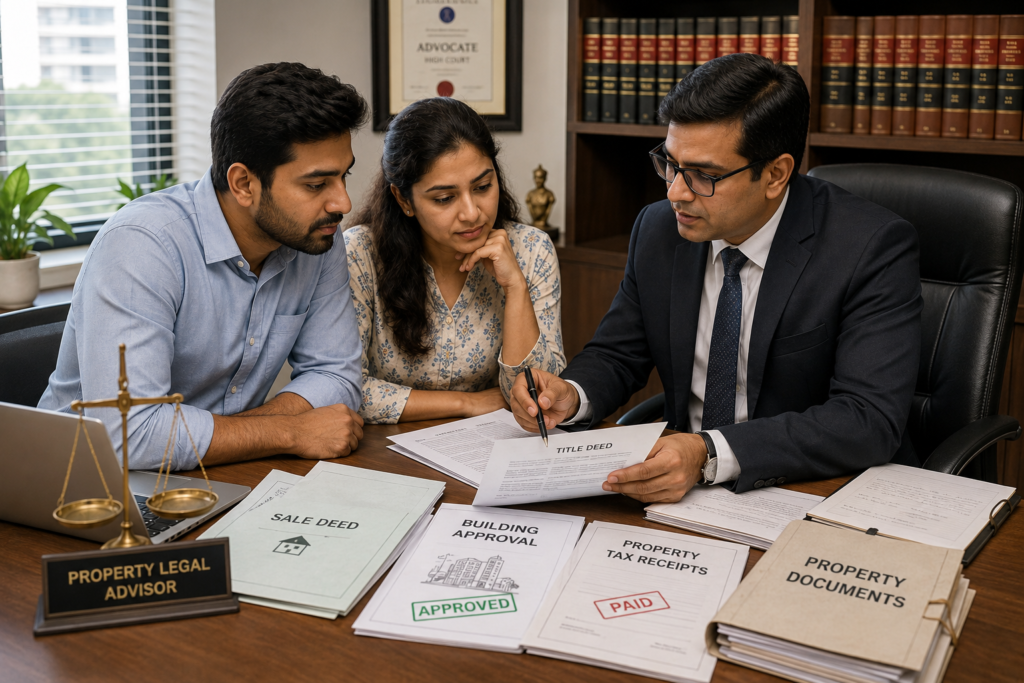
3. Ignoring Legal Documents
A property may look perfect physically but still have legal or documentation problems.
Before purchasing, buyers should verify important property documents and ownership records. Depending on the property type and transaction, these may include:
- Title documents
- Previous sale deeds
- Encumbrance-related records
- Property tax records
- Approved building plans
- Possession or completion documents, where applicable
- Land-use permissions
- Required approvals
- RERA-related project information, where applicable
Legal verification can be complicated. If you are not experienced with property documents, consider getting an independent property lawyer to review them.
Do not rely only on verbal promises. Important claims should be supported by proper documents.
4. Not Checking RERA Information
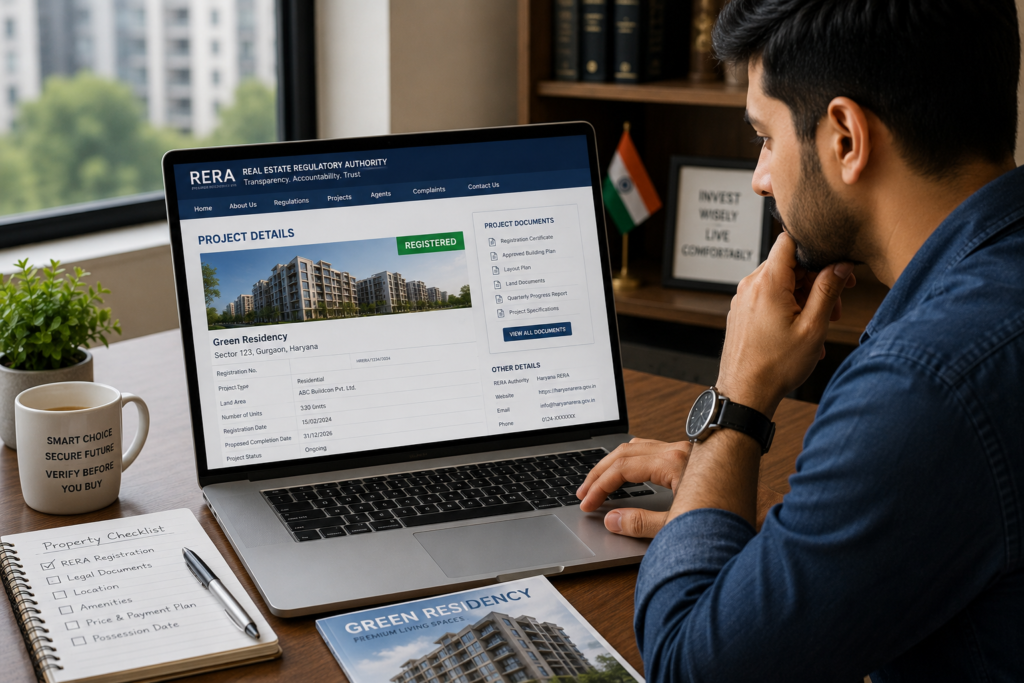
For applicable real estate projects, buyers should check the relevant Real Estate Regulatory Authority (RERA) information before making a purchase.
RERA-related information can help buyers understand important project details, depending on the applicable state rules and project category.
Do not simply accept statements such as:
“RERA approved.”
Instead, verify the project’s registration details through the relevant official state RERA portal.
Check details such as:
- Project registration information
- Promoter/developer details
- Project location
- Approved information
- Expected completion details
- Available project documents
- Complaint or regulatory information where available
5. Choosing a Property Without Researching the Location
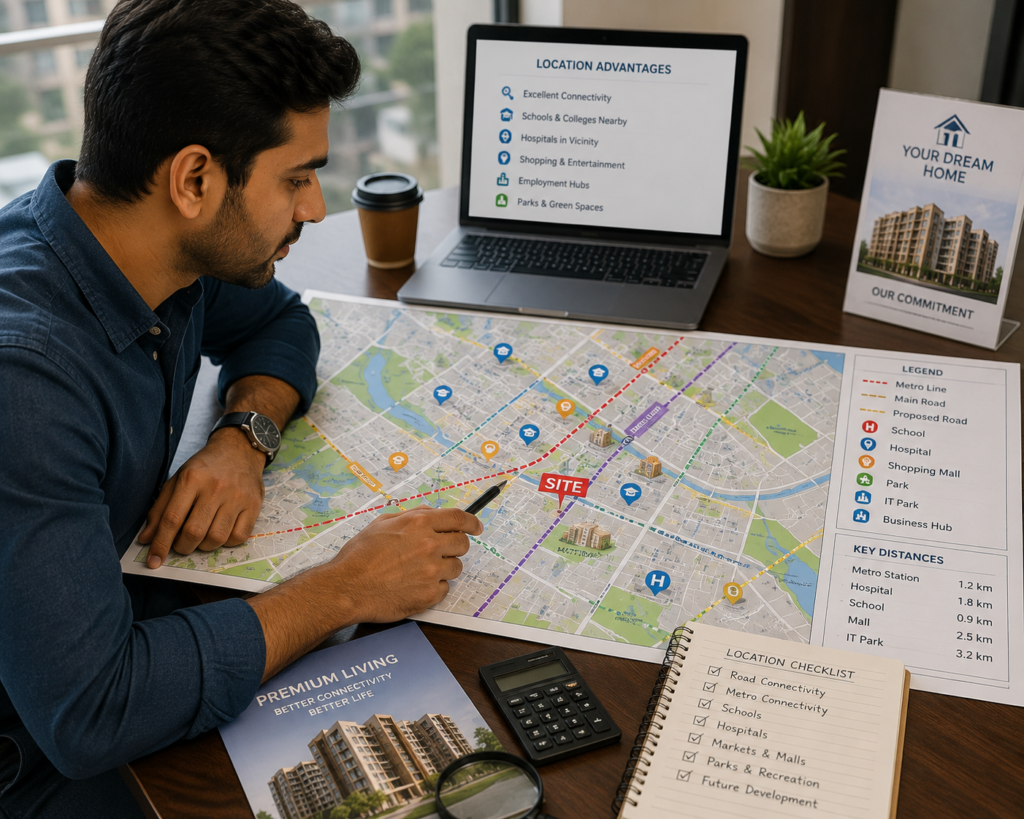
A good property is not only about the building. Location matters.
Before buying, visit the area at different times of the day. A location that looks peaceful in the afternoon may have heavy traffic during office hours.
Research:
- Roads and connectivity
- Public transport
- Schools and colleges
- Hospitals
- Markets and shopping areas
- Employment hubs
- Parks and recreational facilities
- Water and electricity availability
- Parking conditions
- Future infrastructure plans
Also consider how convenient the location will be for your daily life.
If you are buying as an investment, research the rental demand and resale potential of the area rather than assuming that every property will appreciate equally.
6. Buying Because of Pressure or FOMO
“Only two units left!”
“Price will increase tomorrow!”
“Book today or lose the offer!”
Statements like these can create pressure, especially for first-time buyers.
A property purchase should not be based only on fear of missing out.
Take enough time to:
- Compare properties.
- Check documents.
- Understand the payment schedule.
- Calculate your total cost.
- Review the agreement.
- Ask questions.
- Take professional advice where necessary.
A genuine property opportunity should still make financial and legal sense after proper verification.
7. Not Comparing Similar Properties
Another common mistake is buying the first property that looks attractive.
Before making a final decision, compare at least a few similar properties in the same or nearby locations.
Compare:
| Factor | Property A | Property B | Property C |
|---|---|---|---|
| Total Cost | Check | Check | Check |
| Location | Check | Check | Check |
| Size | Check | Check | Check |
| Connectivity | Check | Check | Check |
| Construction | Check | Check | Check |
| Amenities | Check | Check | Check |
| Legal Status | Verify | Verify | Verify |
| Resale Potential | Research | Research | Research |
This comparison can reveal whether the property you like is actually offering reasonable value.
8. Ignoring the Home Loan Terms
A home loan can make property ownership possible, but buyers should understand the loan before signing.
Do not look only at the EMI.
Understand:
- Loan amount
- Interest rate
- Loan tenure
- Processing charges
- Prepayment conditions
- Other applicable charges
- Total repayment amount
Your eligibility for a particular loan does not automatically mean that the loan is comfortable for your household budget.
Ask the lender for a clear repayment schedule and understand how the loan fits into your long-term financial plan.
The Income Tax Department also provides information about certain housing-loan interest deductions and the conditions applicable to them, so buyers should check the current tax rules rather than relying on outdated information.
9. Skipping the Physical Property Inspection
Never buy a property based only on photographs or a brochure.
Visit the property personally and inspect its condition.
Look at:
- Walls and ceilings
- Flooring
- Doors and windows
- Plumbing
- Water pressure
- Electrical fittings
- Ventilation
- Natural light
- Drainage
- Parking
- Common areas
- Lift condition
- Building access
- Signs of leakage or dampness
For an under-construction property, compare the actual progress with the information and commitments provided in the relevant project documents.
If you do not have construction knowledge, consider taking an experienced professional for an inspection.
[IMAGE SPACE: Homebuyer inspecting a newly built apartment for construction quality, plumbing, electrical fittings and finishing]
10. Forgetting About Future Costs and Resale Value
Buying a property is a long-term decision. Think beyond the day you receive the keys.
Ask yourself:
- Will the location remain convenient?
- Is the area developing?
- Will the property be easy to rent?
- Could I sell it later if needed?
- Are maintenance costs reasonable?
- Is there sufficient parking?
- Will the property suit my family in the future?
A property that meets your current needs but becomes difficult to sell or maintain later may not be the best choice.
Also remember that property-related taxes, registration rules and transaction requirements can change. For example, the Income Tax Department currently provides specific guidance for tax compliance relating to certain immovable-property transactions, so buyers should check current official requirements when applicable.
Key Pointers for First-Time Property Buyers
Here are the most important lessons to remember:
✅ Do Your Research
Research the property, developer, location and surrounding area before making a commitment.
✅ Verify Documents
Never assume that documents are correct simply because the seller or agent says they are.
✅ Calculate the Complete Cost
Consider the purchase price plus applicable taxes, registration, financing, maintenance and other expenses.
✅ Compare Before Buying
Compare properties based on total value rather than only price.
✅ Inspect the Property
Visit the property personally and check its physical condition.
✅ Understand Your Loan
Know your interest rate, EMI, tenure and total repayment obligations.
✅ Avoid Emotional Decisions
Do not buy because someone is creating unnecessary urgency.
✅ Take Expert Help
A property lawyer, chartered accountant, architect or other qualified professional can provide useful advice depending on the transaction.
Why Professional Verification Matters
A property purchase involves several areas of knowledge, including legal documentation, finance, construction and local regulations.
A buyer may not have the expertise to verify everything independently.
For this reason, professional verification can be valuable, especially for expensive transactions or properties involving complicated ownership histories.
A lawyer can review legal documents. A financial professional can help evaluate affordability and financing. A technical professional can inspect construction quality.
Professional advice may involve an additional cost, but it can help identify problems before they become expensive.
Frequently Asked Questions
What is the biggest mistake first-time property buyers make?
One of the biggest mistakes is rushing into a purchase without checking the complete cost, legal documents, location and financial affordability.
Should I check property documents before paying a booking amount?
Yes. Buyers should understand what they are paying for, the applicable terms and refund conditions before making any payment. For significant transactions, independent legal advice can be useful.
Is RERA registration important when buying a property?
For projects covered by applicable RERA requirements, buyers should verify the project’s registration and details through the relevant official RERA authority.
Should I take a home loan for my first property?
A home loan can be useful, but it should fit comfortably within your long-term financial situation. Compare loan terms and understand the total repayment cost before accepting an offer.
How can I avoid paying too much for a property?
Compare similar properties in the same area, research recent market conditions, consider the property’s condition and calculate the complete purchase cost before negotiating.
Should I hire a property lawyer?
For a major property purchase, independent legal review can be very helpful, especially when ownership, title history, approvals or documentation are complicated.
Final Thoughts
Buying your first property should be an informed decision, not a rushed decision.
The most attractive property is not always the best property. A good purchase should fit your budget, legal requirements, lifestyle, location needs and long-term financial goals.
By avoiding these 10 common mistakes, first-time buyers can approach the property-buying process with greater confidence.
At Chotala Homes, the goal should always be to help property buyers make informed decisions by understanding their requirements, comparing suitable options and encouraging proper verification before making a major commitment.
Remember: Take your time, ask questions, verify important information and never ignore professional advice when you need it.
Author/Expertise Note
About Chotala Homes:
Chotala Homes is a real estate-focused platform providing property-related information and helping buyers explore real estate opportunities. Property buyers should independently verify legal, financial and regulatory information and consult qualified professionals where appropriate.
Disclaimer:
This article is for general educational and informational purposes only. Property laws, taxes, registration charges, RERA requirements and other regulations may vary by location and may change over time. Readers should verify current information with the relevant government authority and obtain professional legal or financial advice before making a property purchase. ….
Trusted external source: Real Estate (Regulation and Development) Act, 2016 – Government of India