
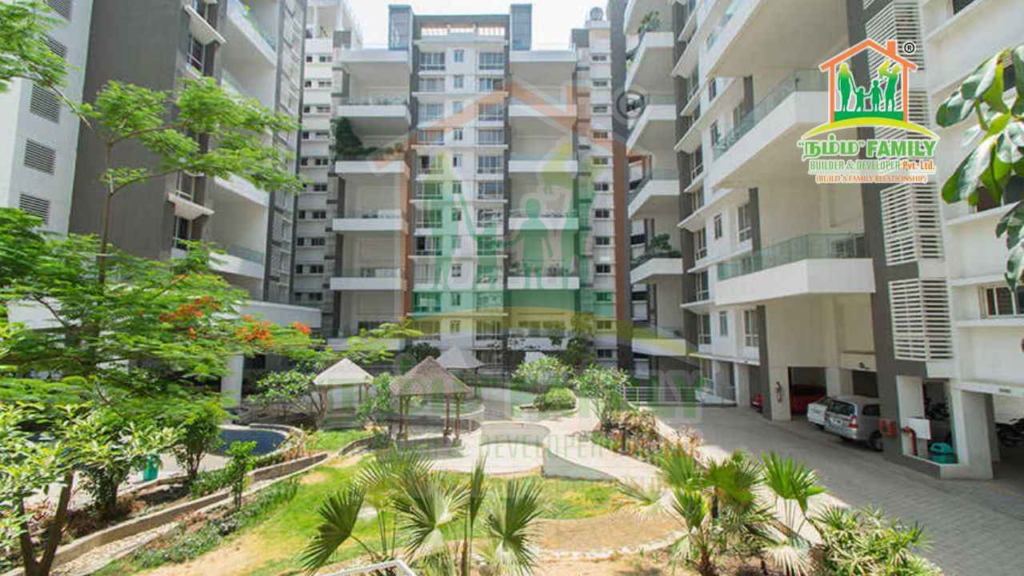
Group housing is a residential development where multiple families live in a planned housing community. It usually includes apartment buildings, common areas and shared facilities such as parking, parks, lifts, security and other amenities.
Buying a home in a group housing project can offer many benefits, including:
- Better security
- Shared amenities
- Planned infrastructure
- Community living
- Multiple home options
- Potential rental opportunities
- Professional maintenance in many projects
However, buyers should not choose a project only because it has a beautiful clubhouse or attractive brochure. It is important to check the location, builder’s background, legal documents, project approvals, RERA information where applicable, total cost, maintenance charges and possession status.
A good group housing property should match your family’s needs, budget and long-term plans.
What Is Group Housing?
Group housing is a type of residential development where many homes are built together within one planned project or housing community.
These projects may include:
- Apartments
- Flats
- Residential towers
- Low-rise residential buildings
- Internal roads
- Parking areas
- Gardens
- Children’s play areas
- Security services
- Community spaces
- Clubhouses
- Sports facilities
The main feature of group housing is shared community infrastructure. Residents usually live in their individual homes while sharing certain common spaces and facilities.
For example, a family may own a 3 BHK apartment, while the lifts, gardens, parking areas, entrance gates and clubhouse are used and managed according to the project’s rules and applicable agreements.

Why Is Group Housing Popular in India?
Group housing has become popular in many Indian cities because urban areas have limited land and growing populations.
Instead of building one independent house on a large plot, developers can build multiple residential units in a planned project. This allows more families to live within the same community.
Group housing may be especially useful for:
- Working professionals
- Families
- First-time homebuyers
- Senior citizens
- Investors
- People moving to growing cities
Many buyers also prefer the convenience of having facilities inside or near the housing community.
However, every project is different. A large group housing society may have excellent facilities but higher maintenance costs. A smaller project may offer a quieter environment but fewer amenities.
Types of Group Housing Properties
1. High-Rise Apartments
High-rise group housing projects contain multiple floors and apartment units.
Common features may include:
- Lifts
- Security
- Parking
- Power backup
- Common areas
- Multiple towers
These projects are common in large cities and developing urban areas.
[IMAGE SPACE: Modern high-rise apartment towers in an Indian group housing project with landscaped gardens and resident facilities]
2. Low-Rise Group Housing
Low-rise projects generally have fewer floors than large apartment towers.
They may provide:
- Fewer residents
- Lower building height
- Shared community spaces
- More private living in some projects
The available facilities can vary widely.
3. Luxury Group Housing
Luxury projects may include premium facilities such as:
- Clubhouse
- Swimming pool
- Gym
- Sports courts
- Premium lobby
- Advanced security
- Landscaped areas
Buyers should remember that luxury amenities can also result in higher maintenance and ownership costs.
4. Affordable Group Housing
Affordable housing projects are designed to provide comparatively budget-friendly housing options.
Buyers should still check:
- Construction quality
- Project approvals
- Location
- Connectivity
- Maintenance
- Possession timeline
A lower price does not mean you should skip due diligence.
5. Integrated Township-Style Housing
Some large projects include residential buildings along with retail areas, schools, parks and other facilities nearby.
These projects may provide a more self-contained lifestyle, but buyers should review the actual completed and approved facilities rather than relying only on future promises.
Benefits of Buying a Home in a Group Housing Project
1. Better Security
Many group housing communities have:
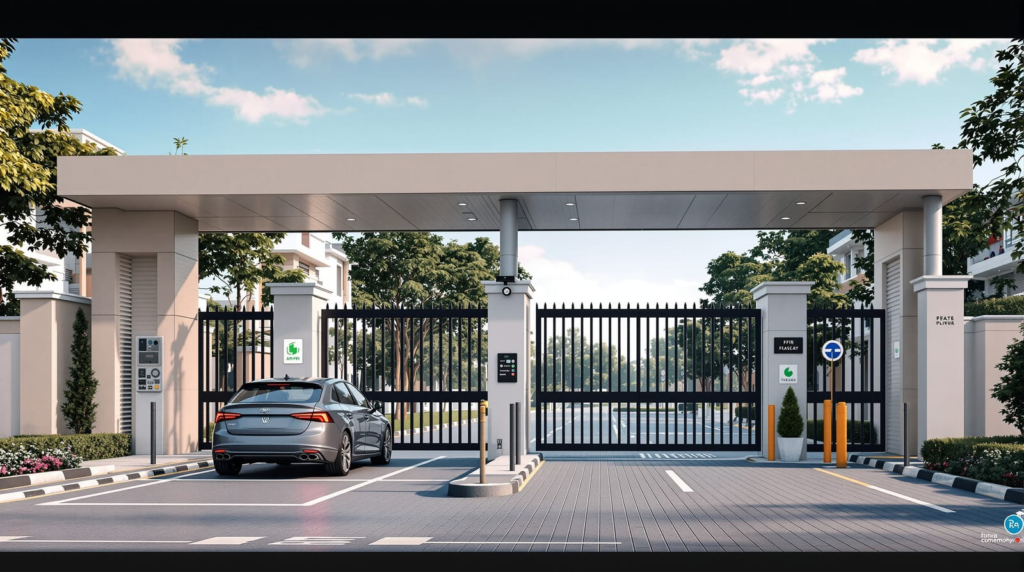
- Controlled entry points
- Security guards
- CCTV in common areas
- Visitor management systems
Security arrangements vary from project to project, so buyers should check what is actually available.
2. Shared Amenities
One major attraction of group housing is access to common facilities.
Depending on the project, these may include:
- Parks
- Clubhouses
- Gyms
- Playgrounds
- Walking tracks
- Community halls
- Sports facilities
Before buying, ask whether these facilities are already operational or planned for the future.
Also check whether their cost is included in the purchase price or supported through separate maintenance charges.
3. Community Living
Group housing allows people to live near other families.
This can provide:
- Social interaction
- Children’s activities
- Community events
- Shared spaces
- Neighbourhood support
However, community living also means following common rules and sharing certain responsibilities.
4. Maintenance Support
Many group housing projects have systems for maintaining:
- Common areas
- Gardens
- Lifts
- Security
- Internal roads
- Shared facilities
Maintenance quality depends on the management system and available funds.
Buyers should understand the expected maintenance charges before purchasing.

5. Parking Facilities
Many planned group housing projects provide designated parking arrangements.
Before buying, confirm:
- Whether parking is included
- The type of parking
- The exact parking allocation
- Visitor parking availability
- Any separate parking charges
Never assume that a parking space is automatically included without checking the official documents and agreement.
Important Things to Check Before Buying Group Housing
Buying a home is a major financial decision. The following checks can help reduce risk.
1. Check the Location
Location is one of the most important factors.
Look at:
- Distance from your workplace
- Schools and colleges
- Hospitals
- Markets
- Public transport
- Metro connectivity, where available
- Major roads
- Daily traffic
- Future infrastructure plans
Visit the area personally.
A project may look attractive online, but your daily experience can be very different if the commute is too long or essential services are difficult to access.

2. Check RERA Registration Where Applicable
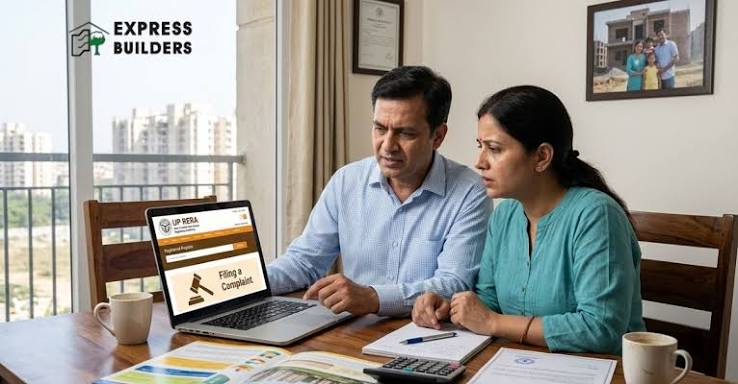
For projects covered by applicable RERA requirements, buyers should verify the project information through the relevant official state or Union Territory Real Estate Regulatory Authority.
Depending on the project and applicable rules, important information may include:
- Project registration details
- Promoter information
- Project completion details
- Approved plans
- Registered project information
The Ministry of Housing and Urban Affairs provides information related to the Real Estate (Regulation and Development) Act and state/UT RERA authorities.
Do not depend only on advertisements. Use official information for important verification.
3. Research the Builder or Developer
Before purchasing, learn about the developer.
Check:
- Previous projects
- Delivery record
- Construction quality
- Reputation
- Customer experiences
- Completed projects
- Legal or project-related issues, where relevant
Visiting an older completed project can give you a better idea of the developer’s work.
However, online reviews should not be your only source. Try to verify important information through documents, official sources and direct site visits.
4. Verify Important Property Documents
A homebuyer should carefully review relevant property documents.
Depending on the project, these may include:
- Title documents
- Land ownership records
- Approved building plans
- Applicable permissions
- Agreement documents
- Sale deed or conveyance-related documents
- Occupancy or completion-related certificates, where applicable
- Tax and payment information
The exact documents needed can vary.
A qualified property lawyer can help review documents and identify potential risks.

5. Check the Actual Construction Quality
Do not judge a project only by a sample flat.
Inspect:
- Walls
- Flooring
- Doors and windows
- Plumbing
- Electrical points
- Ventilation
- Natural light
- Balcony design
- Common areas
If possible, inspect the actual unit you plan to buy.
For an under-construction project, ask for clear details about specifications and review them in the agreement.
6. Understand the Complete Cost
The basic property price is not always the final amount you will pay.
Other possible costs may include:
- Registration charges
- Stamp duty
- GST, where applicable
- Maintenance charges
- Parking charges
- Legal charges
- Loan processing fees
- Interior costs
- Society-related charges
- Other applicable government charges
Ask for a written cost breakdown.
Example
If an apartment is advertised at ₹60 lakh, your complete financial requirement may be higher after adding applicable taxes, registration costs, maintenance deposits, interiors and other charges.
Always plan your budget based on the complete cost.

Group Housing Amenities: What Should You Really Check?
Amenities can improve your lifestyle, but buyers should focus on practical value.
Clubhouse
Ask:
- Is it completed?
- What facilities are included?
- Are there separate usage charges?
Gym
Check:
- Equipment quality
- Maintenance
- Operating hours
Children’s Play Area
Check whether the area is safe, usable and properly maintained.
Swimming Pool
Ask about maintenance arrangements and safety rules.
Gardens and Parks
Check whether the green area shown in the brochure actually exists in the approved and developed project.
The best approach is to compare promised amenities with actual facilities.

Maintenance Charges in Group Housing
Maintenance is an important long-term expense.
It may support:
- Security
- Cleaning
- Lift maintenance
- Common electricity
- Gardening
- Repairs
- Water systems
- Facility management
Before buying, ask:
- How are maintenance charges calculated?
- Are they based on apartment size?
- What services are included?
- Is there a maintenance deposit?
- Can charges increase over time?
Low maintenance at the time of booking does not necessarily mean costs will remain low in the future.
Group Housing vs Independent House
Both options have advantages and disadvantages.
Group Housing May Offer
- Shared security
- Community facilities
- Common maintenance
- Planned infrastructure
- Multiple amenities
Independent Houses May Offer
- More privacy
- Greater control over the property
- Potential for personal modification, subject to applicable rules
- No dependence on large shared community facilities
The right choice depends on your lifestyle, budget, location and family requirements.
Group Housing vs Builder Floor
A group housing project and a builder floor can also be very different.
Group Housing
Usually provides:
- Larger community
- Common facilities
- Shared maintenance
- Apartment-style living
- Professional management in some societies
Builder Floor
May provide:
- Fewer families
- Lower community density
- More independent living
- Limited shared facilities
Before choosing, consider whether you prefer a large community or a more independent residential environment.
Is Group Housing a Good Investment?
Group housing can be suitable for investment, but not every project will provide the same results.
Important factors include:
- Location
- Local housing demand
- Rental demand
- Project quality
- Connectivity
- Developer reputation
- Maintenance costs
- Future housing supply
For example, a project near a major employment area may have stronger rental demand than a similar project located far from workplaces and transport.
However, future property prices should never be treated as guaranteed.

Rental Income in Group Housing
If you are buying for rental income, research the local rental market.
Check:
- Average rent for similar apartments
- Number of vacant homes
- Tenant demand
- Preferred apartment sizes
- Maintenance costs
- Property management requirements
Do not calculate your return based only on the highest rent mentioned by a broker.
Use realistic numbers and consider possible vacant periods.
Simple Rental Yield Formula
Annual Rental Income ÷ Total Investment × 100
This provides a basic gross yield calculation. Your actual return may be affected by maintenance, taxes, vacancy and other expenses.
Home Loan Planning for Group Housing
Before booking a property, understand your finances.
Consider:
- Down payment
- EMI
- Interest rate
- Loan tenure
- Processing charges
- Emergency savings
- Other monthly expenses
Do not take the maximum loan simply because you are eligible for it.
A safer approach is to choose an EMI that remains manageable even if your income changes or unexpected expenses arise.

Common Mistakes to Avoid When Buying Group Housing
1. Buying Only Because of Attractive Amenities
A large clubhouse cannot replace a good location, proper documents and sound financial planning.
2. Ignoring the Total Cost
Always calculate registration, taxes, maintenance and interiors.
3. Skipping Legal Verification
Important documents should be reviewed carefully.
4. Believing Every Possession Promise Without Verification
Check official project information and the actual site condition.
5. Not Visiting the Location
Visit during different times of the day.
6. Ignoring Maintenance Costs
High recurring costs can affect your monthly budget.
7. Choosing a Home That Is Too Small for Future Needs
Consider family growth and long-term requirements.
8. Taking an Uncomfortable Loan
Keep your finances realistic and maintain an emergency fund.
Step-by-Step Process for Buying a Group Housing Property
Step 1: Define Your Requirements
Decide:
- Number of bedrooms
- Preferred location
- Budget
- Amenities
- Parking
- Future family needs
Step 2: Research Locations
Compare connectivity, services, schools and employment access.
Step 3: Shortlist Projects
Do not choose after seeing only one property.
Step 4: Visit the Site
Inspect the actual location and available facilities.
Step 5: Verify Important Documents
Use professional legal help when required.
Step 6: Check Applicable RERA Information
Verify relevant project information through the official authority.
Step 7: Calculate the Complete Cost
Include all applicable charges.
Step 8: Compare Loan Options
Understand the complete repayment commitment.
Step 9: Read the Agreement Carefully
Do not sign without understanding important terms.
Step 10: Keep Copies of All Documents
Maintain organised copies of agreements, receipts, payment records and approvals.
Due Diligence Checklist for Group Housing Buyers
Before making the final decision, check:
Location
- Distance from work
- Schools nearby
- Hospitals nearby
- Transport access
- Roads and connectivity
Legal and Project Information
- Ownership and title information
- Applicable project approvals
- Approved plans
- RERA information where applicable
- Agreement terms
Financial Planning
- Complete purchase cost
- Registration expenses
- Taxes, where applicable
- Loan EMI
- Maintenance
- Interior budget
Property Inspection
- Construction quality
- Natural light
- Ventilation
- Water supply
- Electrical systems
- Parking
- Common areas
Future Planning
- Family requirements
- Rental potential
- Resale possibilities
- Future infrastructure development
Why Professional Verification Matters
Property transactions can involve significant financial and legal responsibilities.
A qualified lawyer can help review legal documents. A financial professional can help you understand affordability and loan obligations. A technical expert may also help inspect construction quality when needed.
Professional verification is especially important when:
- You are buying your first home
- The project is under construction
- Documents are complicated
- The investment amount is large
- You are purchasing for rental income
Getting independent advice may help you make a more informed decision.
Frequently Asked Questions
What is group housing?
Group housing is a planned residential development where multiple families live in individual homes while sharing common infrastructure and facilities.
Is group housing good for families?
It can be suitable for families because many projects offer security, parks, play areas and community facilities. However, the quality and cost of these facilities vary.
Should I check RERA before buying?
For projects covered by applicable RERA requirements, buyers should verify the project through the relevant official authority.
What should I check before buying a flat in group housing?
Check the location, project documents, approvals, applicable RERA information, construction quality, total cost and maintenance charges.
Are amenities included in the property price?
Not always. Some charges may be included, while others may be separate. Ask for a written cost breakdown.
Is group housing better than an independent house?
Neither is automatically better. Group housing may offer shared facilities and community living, while an independent house may provide more privacy and control.
Can group housing be a good investment?
It can be, depending on location, demand, price, rental potential, costs and future market conditions.
Final Summary
Group housing provides a planned residential lifestyle where multiple families live in a shared community. It can offer security, common facilities, maintenance support and convenient community living.
However, buyers should make decisions carefully.
Most Important Pointers
- Choose the right location based on your family’s daily needs.
- Check the developer’s background and previous work.
- Verify legal documents before making a major payment.
- Check RERA information where applicable through official sources.
- Calculate the complete cost, not just the advertised price.
- Understand maintenance charges and long-term expenses.
- Inspect construction quality and actual facilities.
- Plan your home loan carefully and avoid unaffordable EMIs.
- Think about your future needs, including family size and location.
- Take professional legal and financial advice when necessary.
A beautiful apartment is only one part of a good home-buying decision. The best group housing property should have the right location, verified documents, realistic costs and a living environment that suits your family’s future.

About the Author
Chotala Homes shares simple and useful real estate information for homebuyers, families and investors. Our goal is to help readers understand important property topics and make more informed decisions. Readers should independently verify property information and seek qualified professional advice before making major financial or legal decisions.
Disclaimer
This article is for educational and general informational purposes only. It does not provide legal, financial, tax or investment advice. Property laws, project requirements, taxes and regulations may change and can vary by location. Always verify important information through official sources and consult qualified professionals before purchasing a property.
Call to Action
Looking for the right group housing property for your family? Explore your options, compare locations, check important documents and make an informed property decision with Chotala Homes.